viernes, 17 de marzo de 2017

Before you begin...

Before you begin...ANSWER.
1.What is the difference between a form of energy and an energy source?
2. Can you name an energy source? Coul, petroleum, uranio, sun, wind...
3. What is a renewable energy source?
4. Where do oil, gas and coal come from? They come from natural resource.
5. What types of power stations do you know? Electrical, nuclear power station.
6. How is electricity transported from a power station to tour home?
7. What do the terms "greenhouse effect" and "acid rain" mean? How are they related to energy production?
8. What other points could you add to your poster or leaflet? Environmental consequences and the energy saving.

Resultado de imagen de ?

ENVIRMENTAL IMPACT

Environmental impact

Power stations use products that affect the environment, or example hey require the construction of new buildings and other infrastructure.

ENVIRONMENTAL IMPACT ASSESSMENT.

Any proposed new technological project include an environmental impact assessment that are all of the ecological changes that the project could cause in the local área and there also be in the economical and social repercussions of the project.

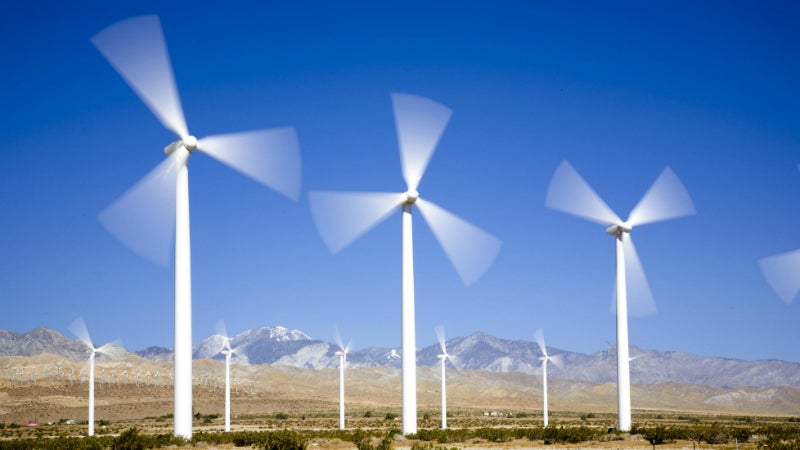
-Wind: It use renewable energy. It has visual and acoustic impacts and the output is low ,strong winds can cause accidents. However, wind farms are clean and help to replace our dependency on fossil fuels.

Resultado de imagen de wind


-Hydroelectric: It use renewable energy. It changes the flow of rivers and floods large áreas.
Hydroelectric power stations could generate disasters and dangers to plants and animals. Their output is efficient and high.


Resultado de imagen de hydroelectric


-Solar: It use renewable energy. These power stations take up a lot of land and installations are expensive. There are risks of burns and blindness, and their output is low. However it's clean and helps to replace our dependency on fossil fuels.


Imagen relacionada

-Marine: It use renewable energy. The construcction of these power stations are expensive and affects the environment and the output is low. They are clean and help to replace our dependancy on fossil fuels.
Resultado de imagen de marine energy

-Biomass: It use renewable energy. Their technology is beneficial when it is used properly but it requires an excessive of natural resources. They replace our dependancy on fossil fuels and waste products that go to landfill sites.


Resultado de imagen de biomass energy for kids

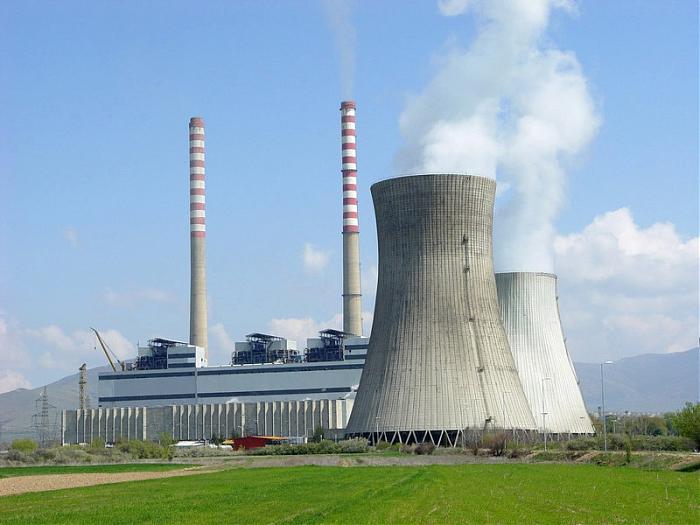
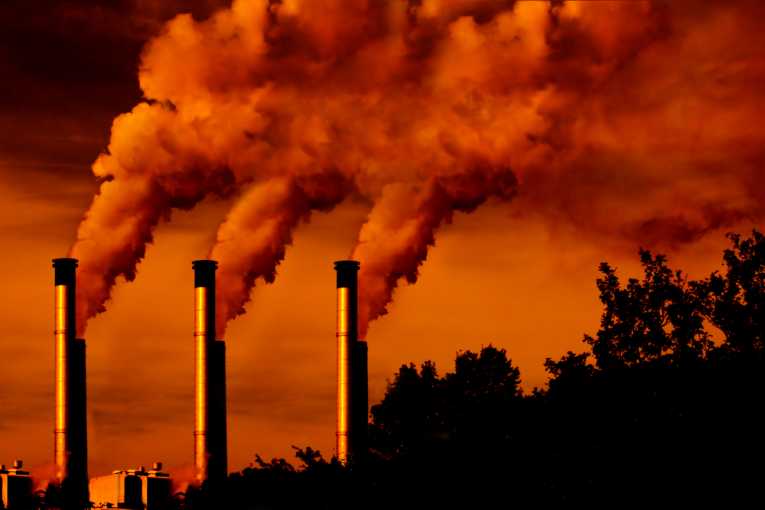
-Fossil fuels: It use non-renewable energy. These power stations affects the air and the wáter and damage the environment. The pollution of the air causes respiratory ilnesses. Their output is high and efficient.

Resultado de imagen de fossil fuels

-Nuclear: It use non-renewable energy. They produce radioactive waste and accidents. The waste products are not reciclable. Their output is high and efficient.


Resultado de imagen de energía nuclear los simpson

jueves, 16 de marzo de 2017

Electric power stations that use non-renewable energy sources

Electric power stations that use non-renewable energy sources

There are two types: thermal power stations and nuclear power stations.

THERMAL POWER STATIONS THAT USE FOSSIL FUELS.

This type of power stations use fossil fuels for generate thermal energy, for after convert the thermal energy into mechanical energy.


Resultado de imagen de THERMAL POWER STATIONS THAT USE FOSSIL FUELS.

Thermal power stations works with coal, oil and natural gas that heat wáter in a boiler. In the boiler turns aturbine connected to the rotor of a generator. The energy produced by the generator is transported by a network of high voltage power lines. The steam goes to a condenser, where it cools and becomes liquid wáter. Finally, the water is pumped back to the boiler.

Combined-cycle power stations.

In cogeneration power stations, electricity is generated in two systems. The first, burns natural gas with compressed air, and then it produces superheated gases, which turn a turbine to generate electricity.
The second uses the previous hot gases and uses them to produce steam in a heat recover boiler. Finally the steam turns a turbine to generate more electricity. This are the reasons because of combined-cycle stations are more efficient that the single.

Resultado de imagen de Combined-cycle power stations.

NUCLEAR POWER STATIONSSS.

This type of power stations use nuclear reactors, that uses radioactive material (specially isotopes of uranium), to produce heat.


Nuclear power stations produce a lot of energy that we can sold at a profit, but, in these power stations happens many accidents and storage of radioactive waste.


Imagen relacionada

ELECTRICAL ENERGY

Electrical energy

It is a form of energy that is transported by an electrical current. Electricity is the most useful in the world for two reasons:

-It can be transformed into other types of energy so better than others.
-It can be transported over long distances cheapest and more efficient.

ELECTRIC POWER STATIONS.
A power station is a place when energy from natural resources is transfromed in the energy that we may use. Depends of the energy we will generate , recives a name or another.
How the electricity is generated?

If we want transform the energy into electricity, we usegenerators and if generators are used in power stations ,are called alternators. An alternator is make up by a stator and a rotor. The rotor has an even numbers of coils that receive direct current. They produce an electromagnetic field . Aturbine turns the axis of the rotor and generate electric current. This system is used at all power stations except for photovoltaic stations.

Resultado de imagen de ELECTRIC POWER STATIONS.


THE TRANSPORTATION AND DISTRIBUTION OF ELECTRICITY.

Power stations, usually, are place in zones far than the áreas where we use the electricity for safety reasons, for need space or for geographical features.
Electrical energy cannot be stored. There re many steps in the progress of transportation of energy:

1 Raising the voltage: the voltage is raised ,by transformers to high voltajes, because the electricity must go over large distances.

2 High voltage lines: the routes that the towers where are intalled the lines are carefully planned.

3
Reducing the voltage: The substations ,which are installed between the high voltage lines and final consumers, use Transformers to reduce the power to lower voltages.

4 Finally the power is distributed to buildings, industries and public installations. Te electric lines are installed in posts or underground. The voltage is reduced, depending on the final cosumer.

Resultado de imagen de THE TRANSPORTATION AND DISTRIBUTION OF ELECTRICITY.

ENERGY SOURCES

Energy sources

Energy sources are natural resources that we can use for generate different forms of energy and we
can transform that energy for various purposes. We can classify into two general categories:

NON-RENEWABLE ENERGY SOURCES.

They come from natural resources that are limite and can be exhausted, and it would take million
years to regenerate. They are the most commonly used energy sources. They include fossil fuels and
nuclear energy, which uses radioactive materials, such as uranium.

Resultado de imagen de non renewable energy

RENEWABLE ENERGY SOURCES.

They come from natural resources that we cannot use up completely. They include hydroelectric, solar, marine,
geotermal and biomass resources, as well as energy that we can produce from solid urban waste.


Resultado de imagen de renewable energy sources

ENERGY TRANSFORMATIONS

ENERGY TRANSFORMATIONS

Everyday, we produce transformations of energy. When energy is transfomed, it may produce some unwanted forms of energy. The following examples show how:

When we rub our hands , we transformed the chemical energy in our muscles into kinetic energy, and after, the kinetic energy can be transformed into thermal energy.

The chemical energy in the fireworks is converted into light, heat , sound and mechanical energy when it explode.

The nuclear energy in stars is transformed into very intense luminous and thermal energy.

Resultado de imagen de energy transformations

ENERGY

ENERGY
It´s the capacity of a body to perform transformations and do work It is measured in joules (J) and if it takes the form of heat, is measured in calories (cal).

Resultado de imagen de energy